Dry pet food (commonly known as dry kibble) is one of the most popular pet food types, featuring long shelf life, convenient storage and balanced nutrition. Its production is a strictly regulated, systematic process that adheres to high safety and nutritional standards. The detailed production process, from raw material preparation to final packaging, is as follows:
1. Raw Material Selection and Strict Inspection
Raw material quality is the core of high-quality dry pet food, directly determining the nutritional value and safety of the final product. The main raw materials include animal protein sources (poultry meal, fish meal, beef meal, and qualified animal by-product meals), plant protein sources (soybean meal, corn gluten meal, pea protein), carbohydrates and starches (corn, wheat, rice, tapioca), fats and oils (poultry fat, fish oil, vegetable oils), as well as vitamin and mineral additives to meet pets’ nutritional needs. All raw materials must go through strict inspection—including tests for moisture, impurities, harmful substances (such as mycotoxins, heavy metals) and microbial contamination—before entering the production process to ensure compliance with pet food safety standards. Unqualified raw materials are rejected immediately.
2. Raw Material Crushing and Mixing
After inspection, the raw materials are crushed into uniform fine particles using professional crushing equipment. This step ensures that the raw materials can be fully mixed and processed in subsequent links, and also helps pets digest and absorb the nutrients. The crushed raw materials are then transported to a high-efficiency mixer, where animal protein, plant protein, carbohydrates, fats, vitamins, minerals and other additives are mixed in a precise proportion according to the pre-designed formula. The mixing process is strictly controlled to ensure that all components are evenly distributed, avoiding nutritional imbalance in individual kibbles.
3. Extrusion and Pelletization
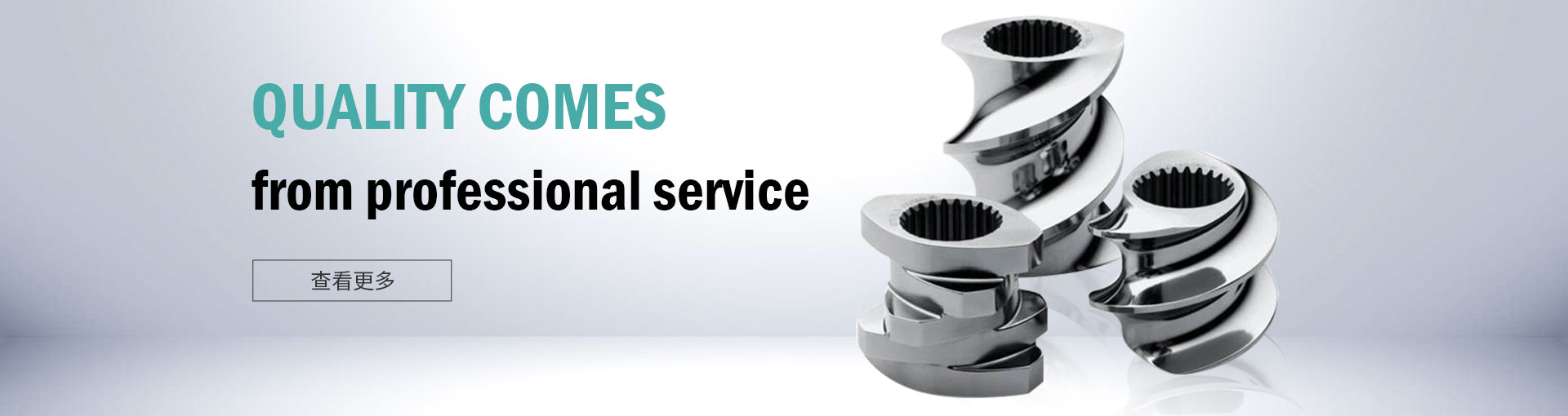
The uniformly mixed raw material mixture is fed into an extruder, which is the key equipment in dry pet food production. Inside the extruder, the mixture is subjected to high temperature (usually 110–140℃), high pressure and mechanical shear force. This process not only kills harmful bacteria, molds and other microorganisms in the raw materials, but also gelatinizes the starch, denatures the protein, and makes the nutrients more easily absorbed by pets. Under the action of high pressure, the mixture is extruded through a die with specific shapes (such as small round, oval, or bone-shaped) to form wet pellets of uniform size and shape.
4. Drying
The wet pellets extruded from the extruder contain high moisture (about 25–35%), which needs to be dried to extend the shelf life. The wet pellets are sent to a continuous dryer, where they are dried at a controlled temperature (usually 80–100℃) for a certain period of time. The drying process is strictly monitored to reduce the moisture content of the pellets to 10–12%—a level that can effectively inhibit the growth of microorganisms and ensure the long-term storage stability of the product. At the same time, drying also enhances the crispness of the kibble, improving palatability for pets.
5. Coating (Optional)
After drying, some dry pet food will go through a coating process to improve palatability. Common coatings include animal fat, meat broth, or flavor enhancers. The dried pellets are sprayed with the coating material in a coating machine, ensuring that each kibble is evenly coated. This step not only enhances the taste and aroma of the pet food, attracting pets to eat, but also helps lock in the moisture inside the kibble and improve its texture.
6. Cooling and Sifting
The dried (and coated) pellets are at a high temperature and need to be cooled to room temperature in a cooling machine to prevent moisture condensation inside the packaging, which could lead to mold growth. After cooling, the pellets are sifted through a sieve to remove broken particles, irregular kibbles and impurities, ensuring that the final product has a uniform size and appearance.
7. Quality Inspection and Packaging
Before packaging, the finished kibble undergoes a final quality inspection, including tests for moisture, ash content, protein content, microbial indicators and physical properties (such as hardness, size uniformity). Only products that meet all the standards can enter the packaging link. The qualified kibble is packaged into bags of different specifications using automatic packaging equipment, and each package is labeled with product information (such as ingredients, nutritional composition, shelf life, production date) in accordance with relevant regulations. Finally, the packaged products are stored in a dry, ventilated warehouse to await delivery.